
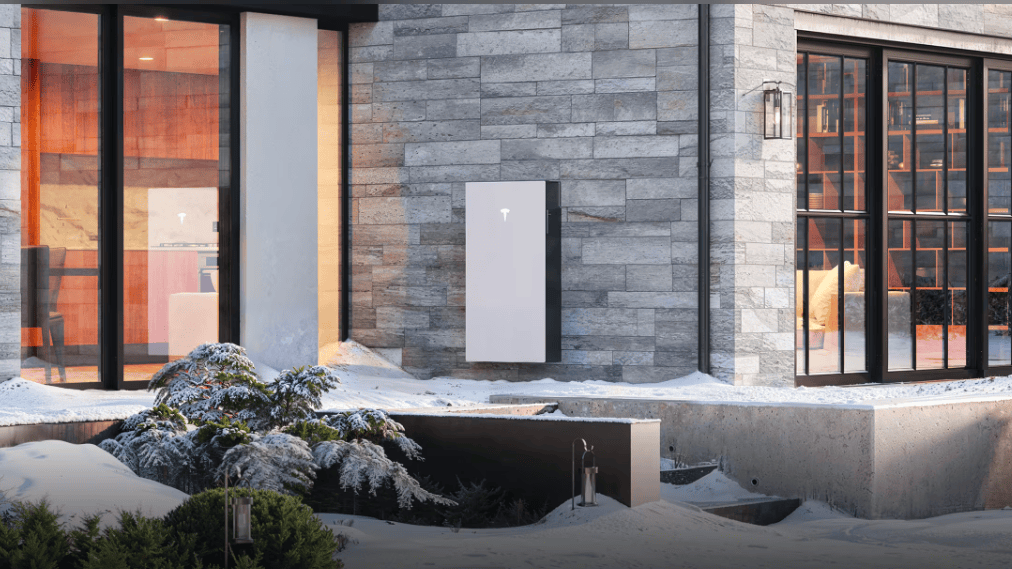
Home energy storage batteries can cut your electricity bills, especially when charged overnight on a cheap off-peak tariff, and they make solar panels more useful. Modern systems are also designed with multiple safety protections.
Charging overnight from cheap electricity
Many UK suppliers offer time-of-use tariffs with very low overnight rates. A battery can charge fully during these hours, then supply your home during the more expensive evening peak, when most households use the most electricity. Each unit you draw from the battery in the evening is one you didn’t buy at the peak rate, so the savings can add up over a year. Some households cover most of their evening needs this way.
Using cheap power at the right time
A battery lets you shift your electricity use to the cheapest hours without changing your routine. Dishwashers, washing machines, and electric vehicle charging can also draw from the battery or the cheap overnight supply. Smart systems can automate this, choosing when to charge and discharge based on your tariff.
Better value from solar panels
With solar panels, a battery captures daytime generation that would otherwise be exported for a modest payment. You can then use that stored power in the evening, when your panels aren’t producing and grid electricity is most expensive. This increases the share of your home’s electricity that comes from your own roof.
Greater energy independence
A battery reduces how much you rely on the grid during peak periods. Some systems can also provide backup power during an outage, depending on the equipment and how it’s installed.
Support for an electric car
If you have an electric car, a battery can charge it using cheap overnight electricity or stored solar power, further lowering your driving costs.
Lower emissions
Storing and using cleaner electricity at the right times can reduce your home’s carbon footprint, particularly when charging from solar power or when the grid is greener.
Safety
Home batteries are generally safe when certified and professionally installed. Most use lithium iron phosphate (LFP) chemistry, which is more thermally stable than some other lithium types, and quality systems include battery management systems that monitor temperature, voltage, and current and shut down automatically if needed. Look for recognised certification and an installer who follows the manufacturer’s guidance and local regulations.
Summary
A home battery stores cheap overnight electricity and uses it during expensive evening hours, which is where most of the savings come from. Paired with solar panels, it also lets you use more of your own generation, reducing bills and increasing independence. Choosing a certified system and installer, along with a time-of-use tariff and a battery sized to your evening usage, gives you the best results with safe, reliable operation.